Introduction
Fire Retardant Coatings
line
Click here for complete list of products
line
Fire Retardant and Flame Retardant Paint and Coatings are used to provide additional time in a fire situation to exit a building and extra time for firefighters to do their job before the fire spreads. Fire Resistive coatings provide protection for structural steel so that buildings don't collapse in a fire. Our Flame Retardant Fabric coatings help protect drapes and tarps and other fabrics from fire. These coatings save lives!
Flame Control coatings comply with federal, provincial and local building and fire code requirements. They retard flame spread and penetration of heat through their intumescent-sublimative-ablative and synergistic flame suppressing action. On contact with flame or excessive heat, Flame Control Intumescent Fire Retardant Coatings decompose and puff up (intumesce) forming a thick, dense, spongy foam layer that checks flame spread and retards heat penetration.
Our coatings come in both Paint and Varnish types so that décor is not compromised when using a Flame Retardant coating. The Fire Retardant Paints are available in white, black and a wide selection of pastel colors and sheens. The Fire Retardant Varnishes are designed for various service conditions all the way up to a floor varnish. Various finishes are also available: Flat, Low, Semi and Hi-Gloss sheens.
Used By: Most public buildings: Schools, Colleges, Nursing and Old Age Homes, Child Care Centers, Hospitals, Penal Institutions, Apartments, Hotels, Factories, Warehouses, Retail Stores, Restaurants, Utilities, Railroad and other Transportation Companies, Oil and Chemical Installations and Military Installations.
Used On: All surfaces where it is either necessary or desirous to reduce the surface burning characteristics of combustible materials and/or to retard the penetration of heat.
For The Protection Of:Roof Decks, Acoustical Ceiling Tile, Cellar Ceilings, Wooden Wainscoting in Stairways and Hallways, Walls, Doors, Plywood and Wall Board Partitions, Structural Steel Members, Cedar Shakes and Shingles, Railway Ties and Trestles, Piers, Electrical and Communication Cables, Mass Transit People Movers, Aircraft Engine Firewalls, Ship Bulkheads, and other surfaces requiring fire protection.
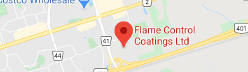
9-75 Chambers Dr. Ajax, ON L1Z 1E1
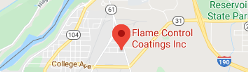
4120 Hyde Park Blvd. Niagara Falls, N.Y.. 14302

Design & Hosting by ICM Consulting & Media Corp.
